
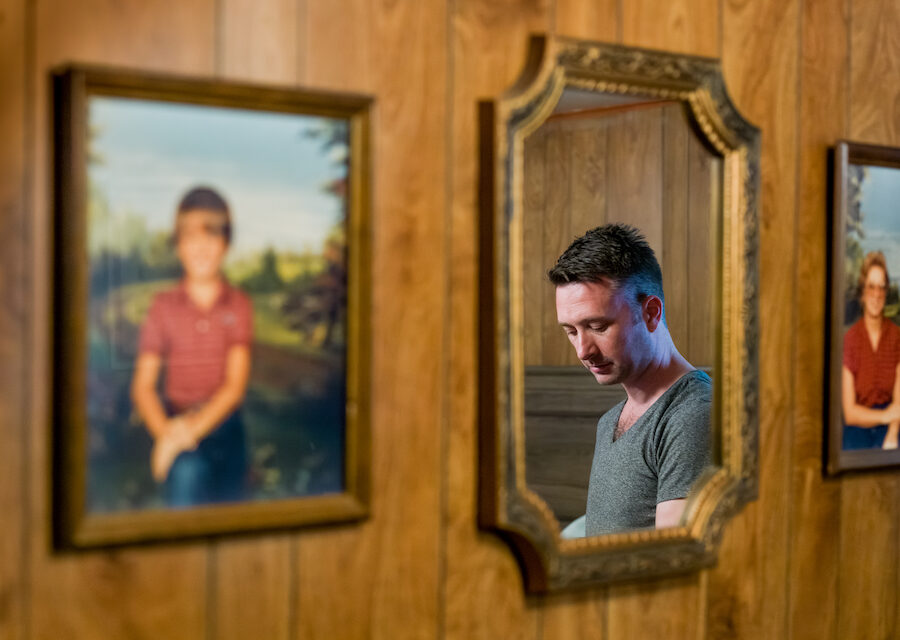
©Michael Young, Two Eriks and Pamela, 2019
Maybe Tomorrow
by Michael Young
Interview by Kate Kinney
For over a decade, Michael Young has returned each summer to his partner Erik’s hometown in western Kentucky, a small Muhlenberg County community shaped by coal, church, and the particular rhythms of small-town Southern life. What began as a way of understanding one person’s complicated relationship to home has grown into something larger: a body of work that shifts registers as it goes, just as Young’s own understanding of the place has shifted, each return revising what he thought he knew the last time.
What hasn’t changed is Young’s continued curiosity about the place, and the people in it, that he loves enough to keep trying to see more clearly. Maybe Tomorrow doesn’t resolve into a single conclusion about Kentucky, or about Erik, or even about Young himself. It stays open, the way long looking usually does.
We talked with Young about Maybe Tomorrow, its title, its evolution, and what it’s still asking him.
The following interview has been condensed and edited for clarity.
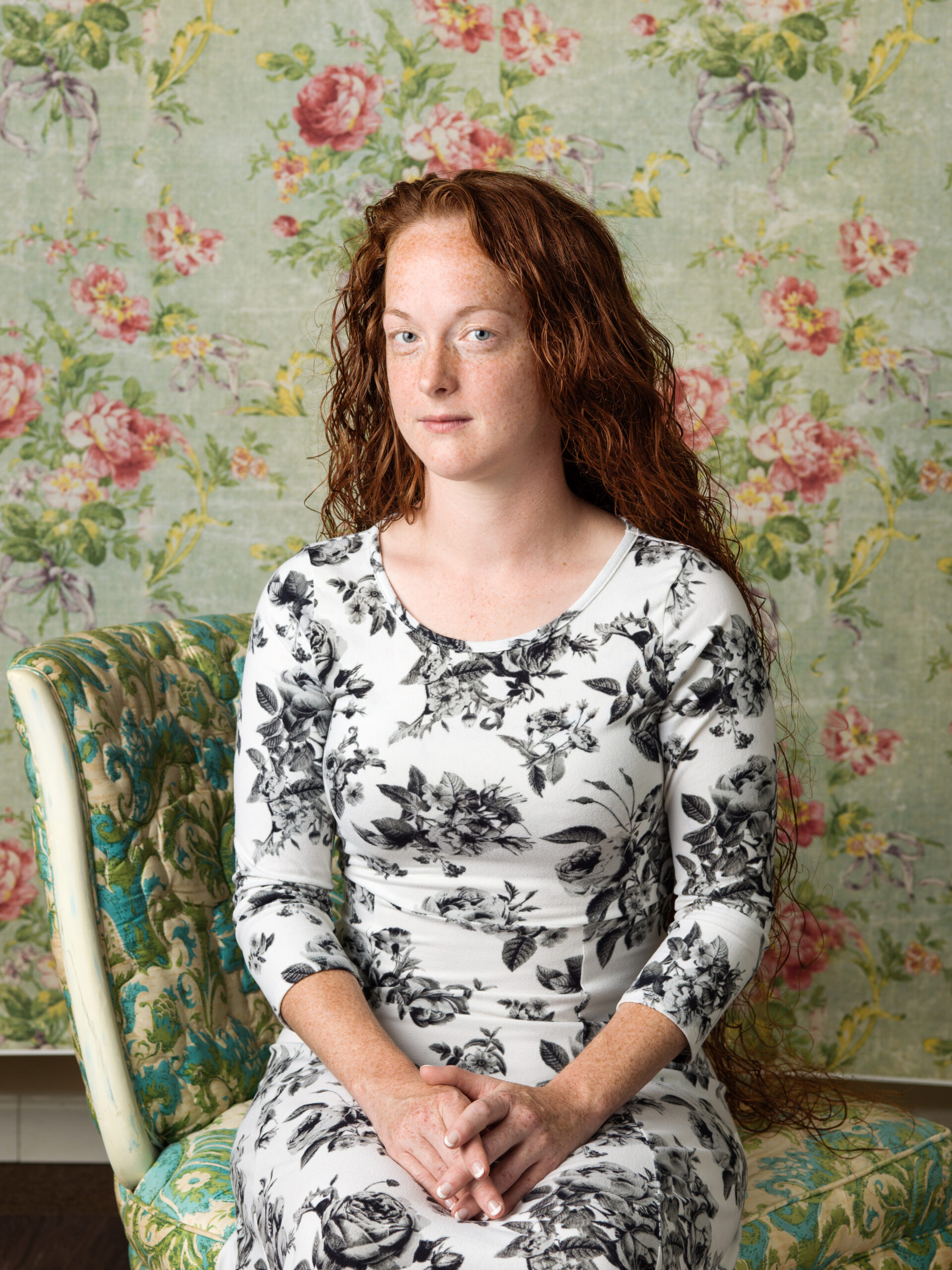
©Michael Young, Starla in Her Photography Studio, 2019
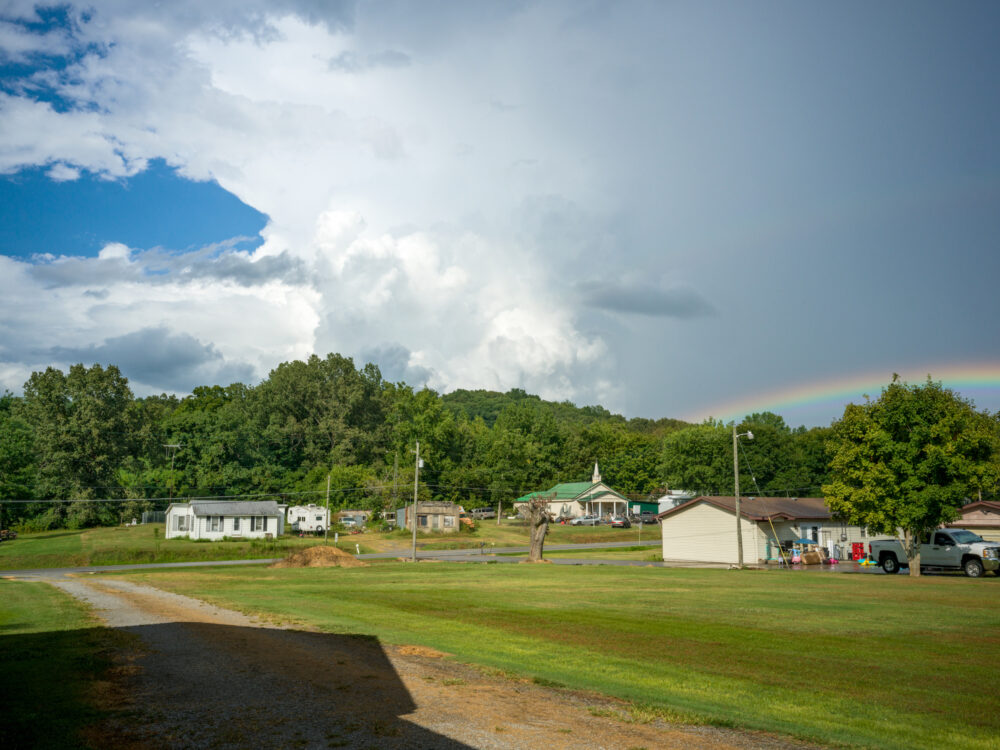
©Michael Young, As the Storm Clouds Pass, 2025
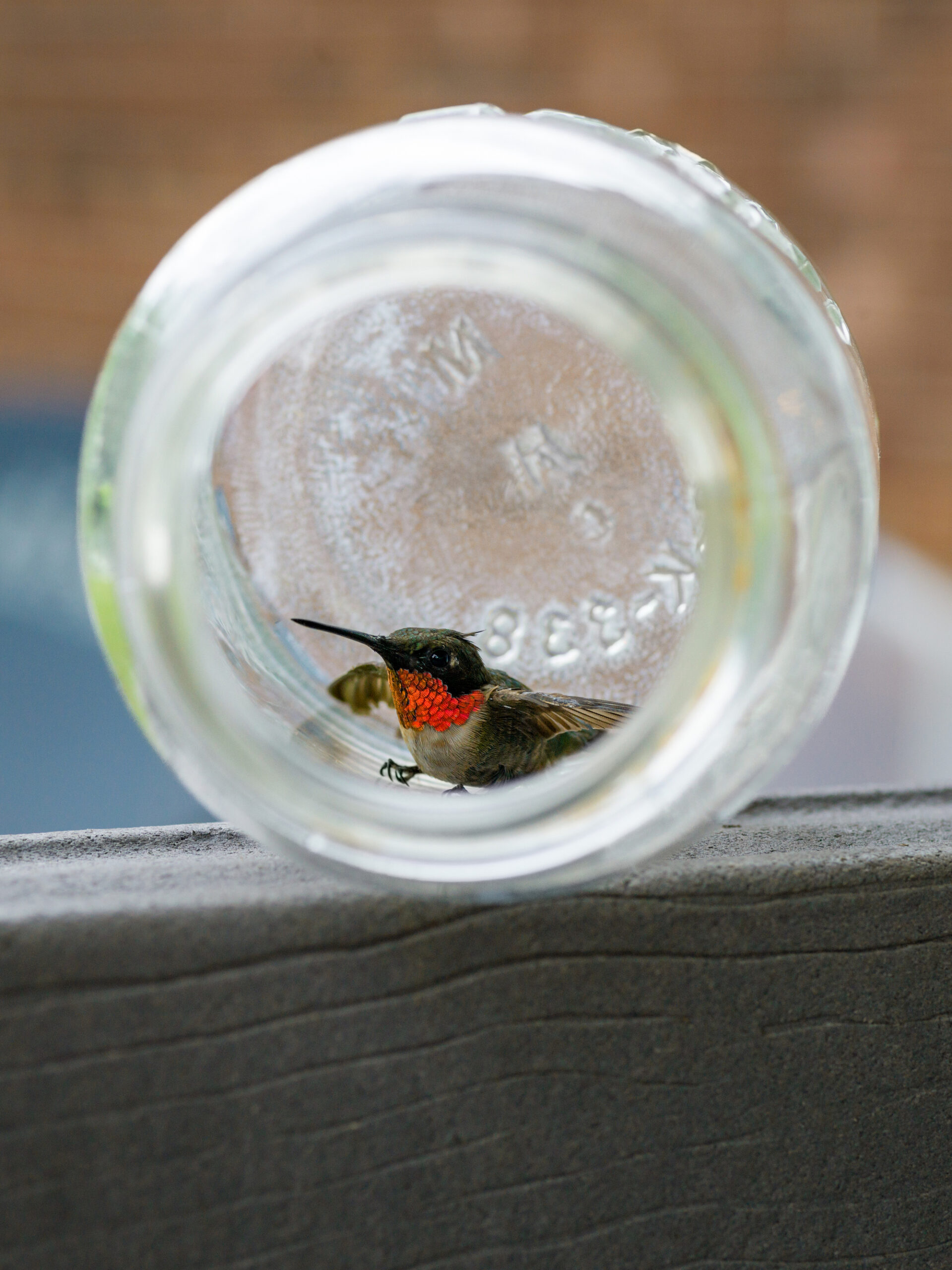
©Michael Young, Hummingbird in Mason Jar, 2022
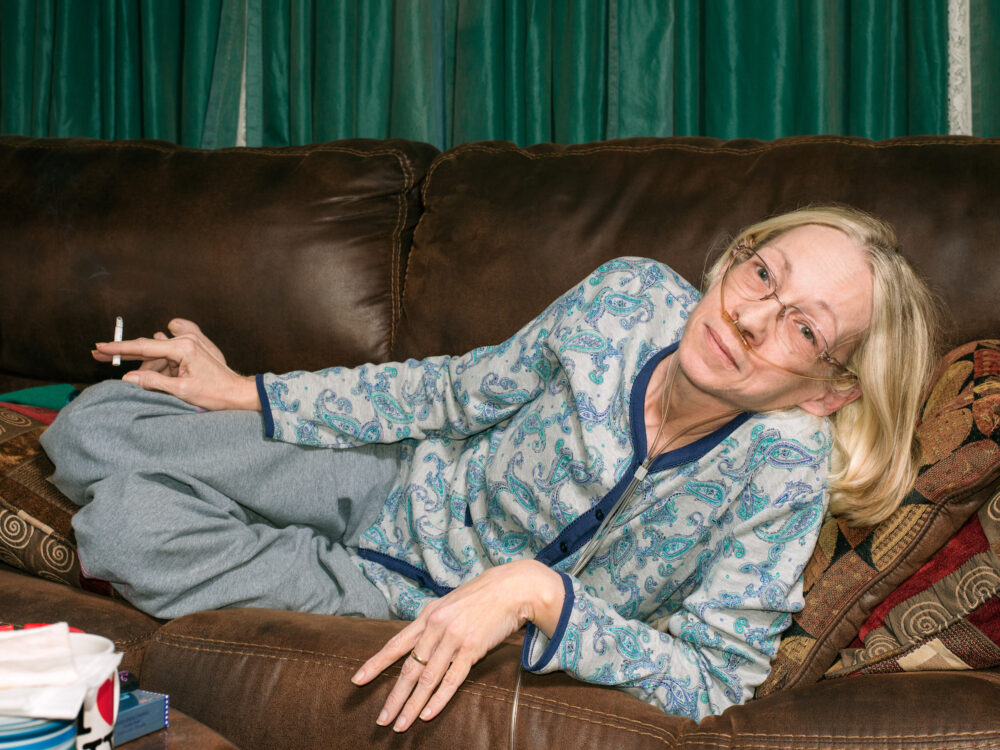
©Michael Young, Pamela, 2015
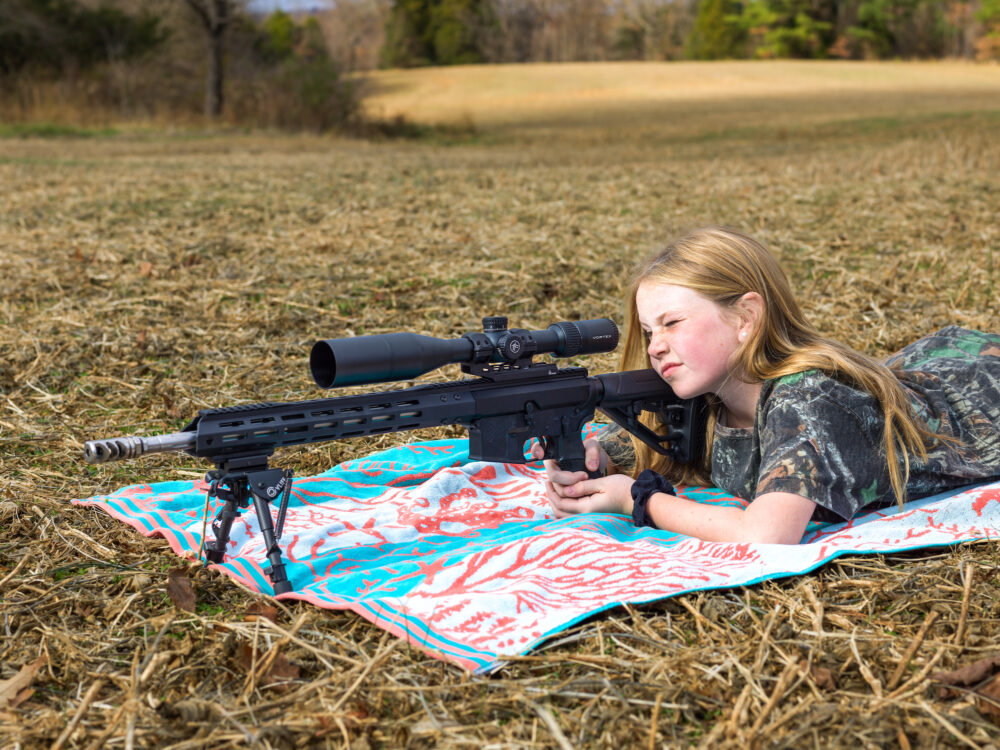
©Michael Young, Alivia (Rifle Practice), 2022
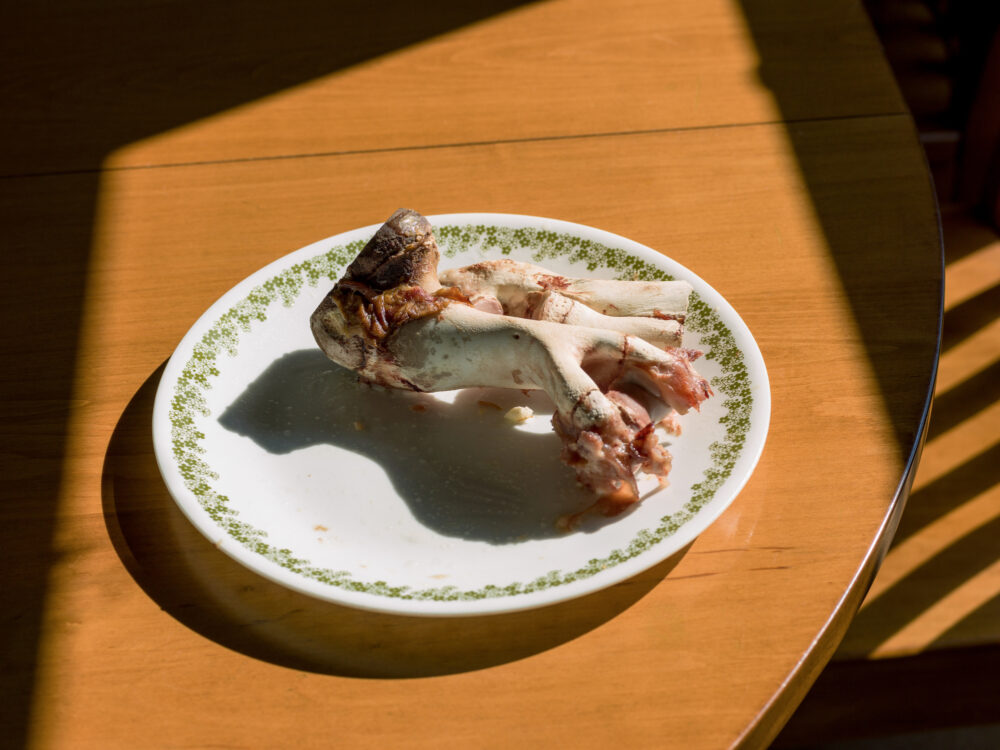
©Michael Young, Ham Bone After Sunday Supper, 2022
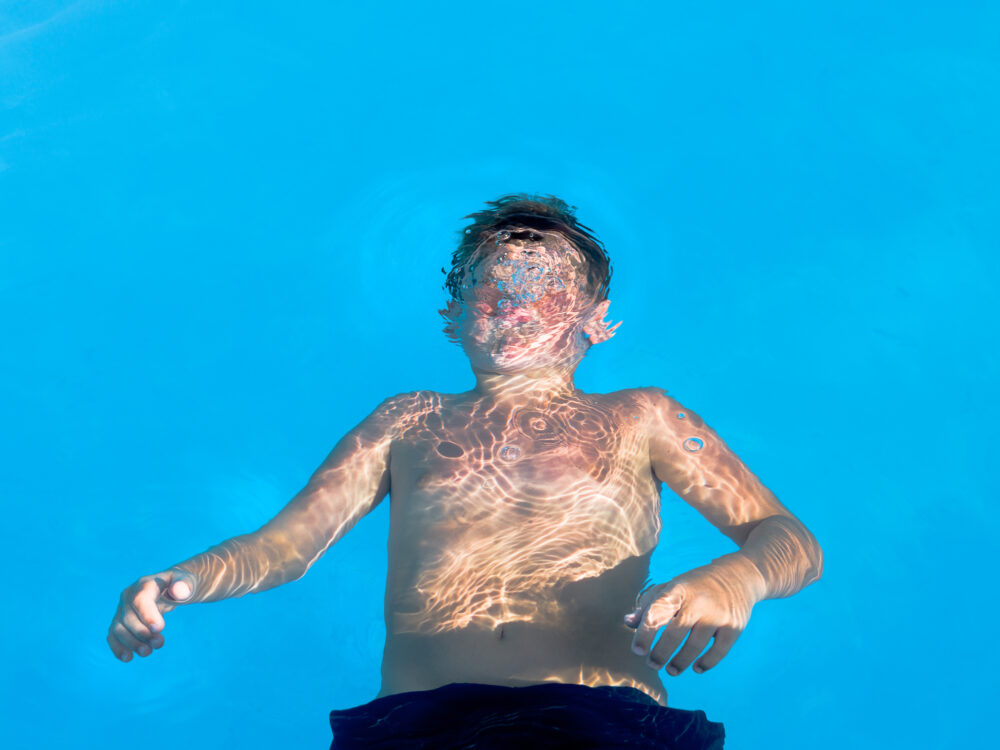
©Michael Young, Owen Underwater, 2018
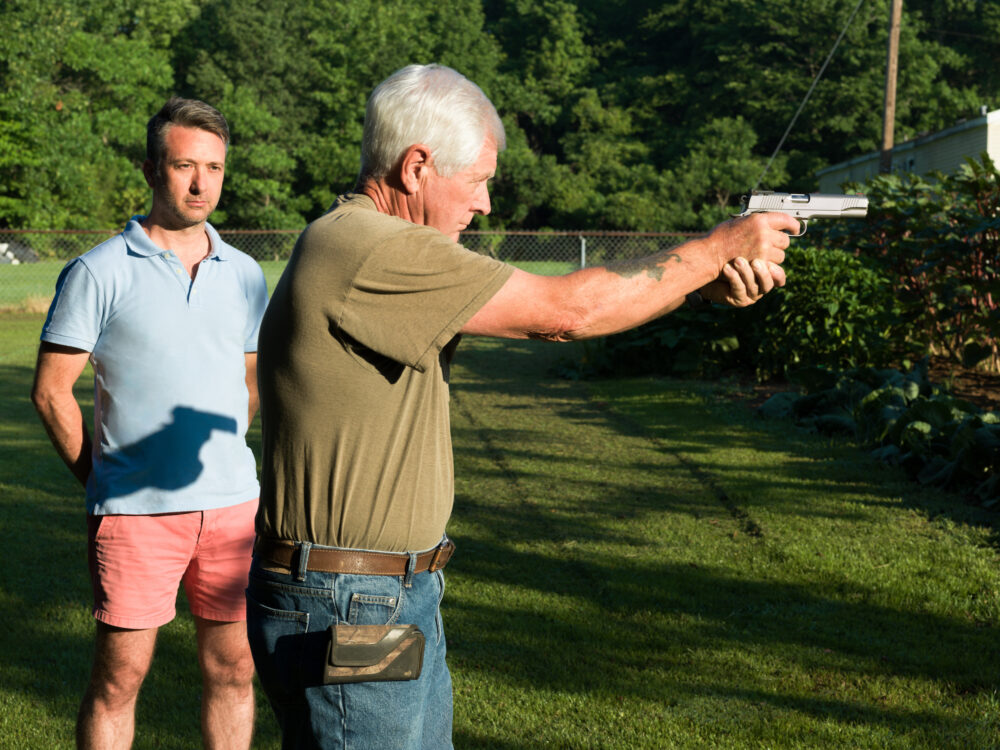
©Michael Young, Erik and David (Shadow of a Gun), 2022
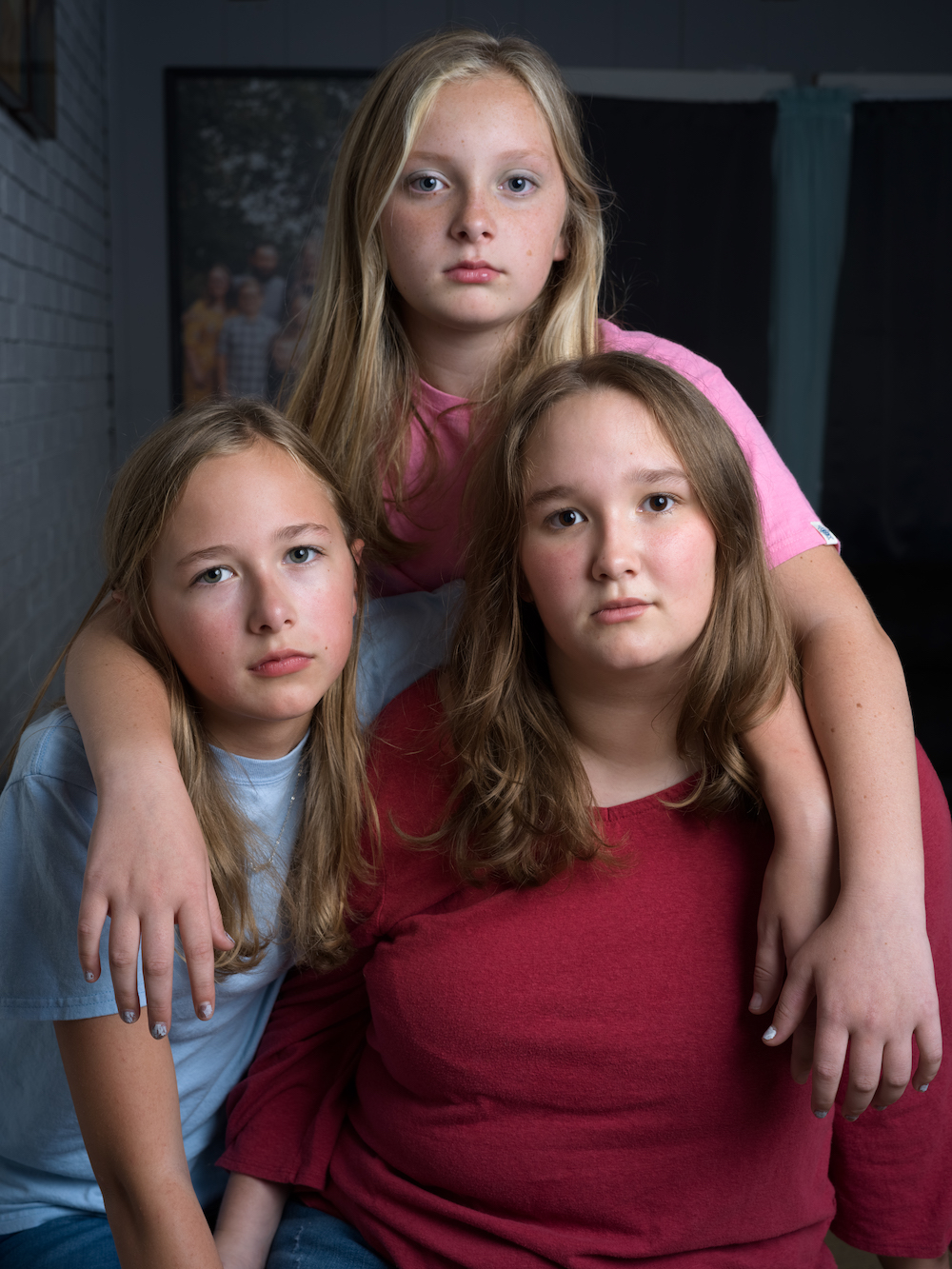
©Michael Young, Three Sisters, 2023
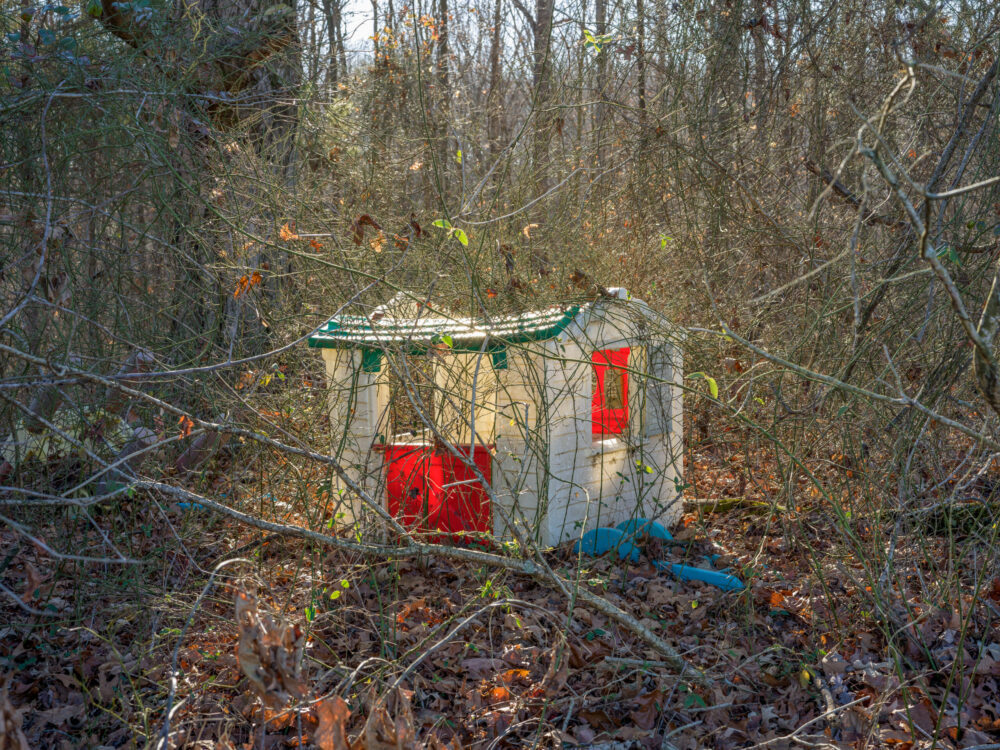
©Michael Young, Abandoned Playhouse in the Woods, 2022
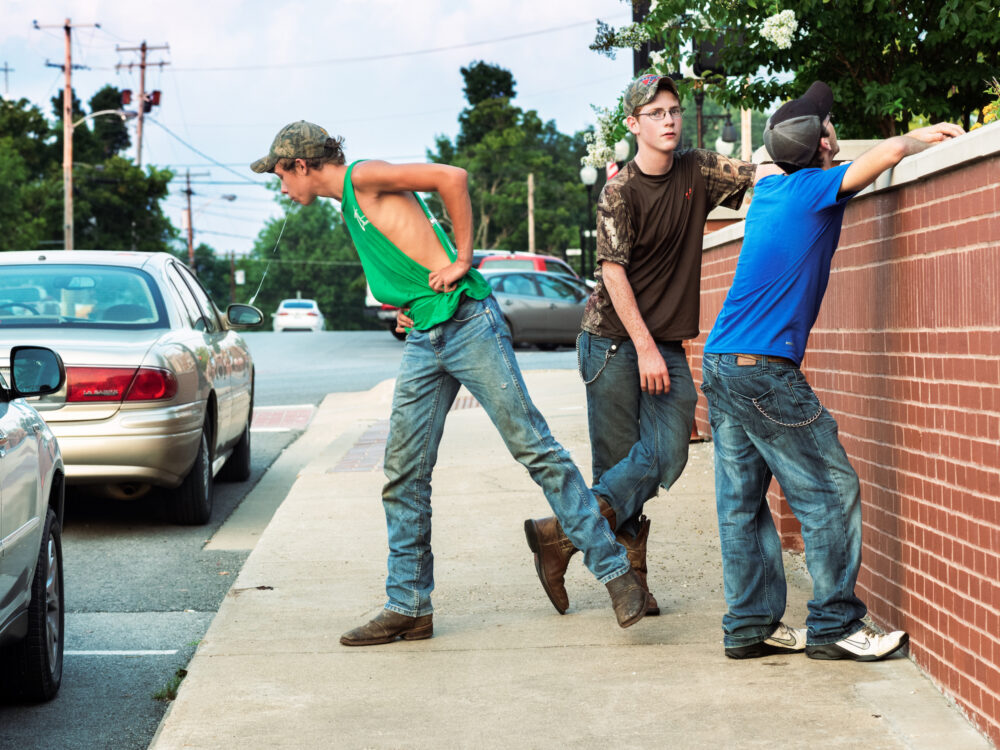
©Michael Young, The Spit, 2015
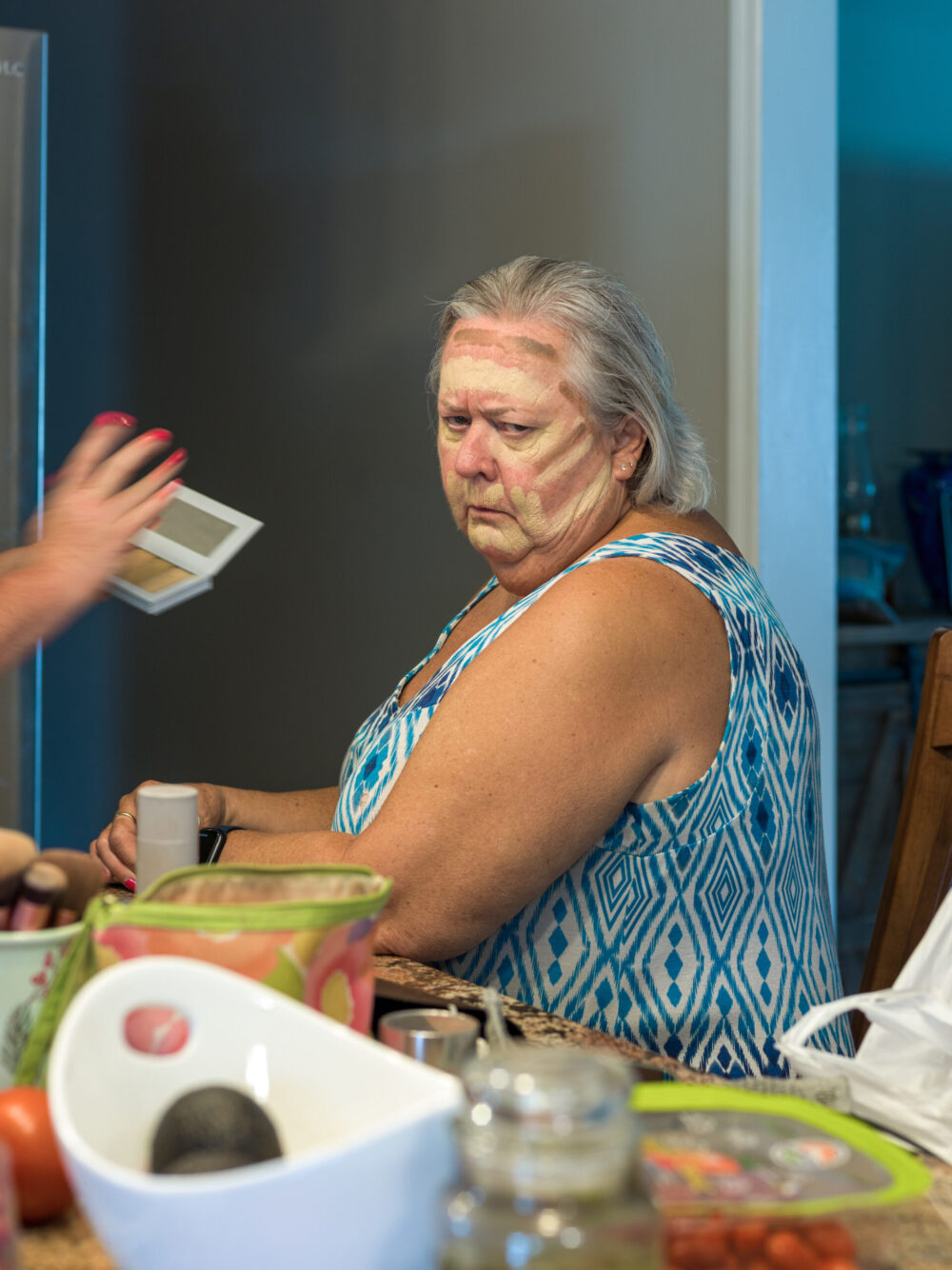
©Michael Young, Pam (Contouring Session), 2022
“What I initially recognized as ruin and economic decline has revealed layers of endurance: the persistence of daily routines, moments of tenderness, and the beauty of a landscape marked by slow change.” — Michael Young, Maybe Tomorrow.
Maybe Tomorrow began as a personal act of curiosity about your partner Erik’s ambivalence towards home. At what point did that private inquiry become something large —a story that could resonate with someone who has never set foot in Kentucky?
As someone who had never stepped foot in Kentucky, I felt like the proverbial fish out of water. I grew up in the suburbs of New York City, traveled a bit, but never to this part of the country. Erik and I have been together since 2011, and about a year or two into our relationship we took our first trip to Kentucky.
Erik was raised Southern Baptist like most people in that region. His father, a deacon at the church down the street, had told Erik in a previous relationship that he couldn’t bring his partner home and stay in the same room.
Prior to our first visit, he put an ultimatum to his father: if we couldn’t share a room in the house, then we’d be visiting for the day and driving back to Lexington, which is just under three hours away. With the encouragement of his mom, who wanted to see her son for more than just an afternoon, his father acquiesced.
I knew I was going into not only an area completely foreign to me, but a familial situation that harbored vestigial tension over Erik being gay. This put me on the defense: how do I belong? How do I fit in? Despite my worry, his dad was great as soon as I showed up—welcoming and loving in his quiet and reserved ways. Even with Erik not talking to his dad for a period of time after he came out, everything, mostly, had been patched up by the time I arrived. I knew that even within the home I still needed to find a way to connect with his family, many of whom I was meeting for the first time. So the camera gave me purpose as well as a means to discover, to get out around the area, see the landscape, meet others, and try to understand where Erik was coming from.
The work is rooted in this place and in his past, but, in a lot of ways, it’s a reflection of my experience as an artist. While I don’t appear in any of the photographs, the project chronicles my own journey to break down personal misconceptions and understand a new place and a new family.
There’s something very tender about this series. It didn’t feel like you were necessarily an insider—you don’t have that Jacob Riis, How the Other Half Lives vibe. I noticed how beautifully the photos were composed spatially. I wonder how much of that insider/outsider dynamic plays in. You’re not a complete outsider since you know an insider, but you’re not an insider since you didn’t grow up there.
These types of dynamics between photographer and subject can be fraught with issues that go back to the idea of who gets to tell someone else’s story. For some time, this topic drew considerable attention within the photography community. I do believe that if the work is made with empathy, or at the very least, care, respect, and concern to understand others, it changes what the work becomes. My place within the project has changed as I’ve become a part of the family and the locals have come to recognize me over the years.
When I first started making the pictures, I was immediately drawn to everything that was different: the landscape, the buildings, the abandoned schools, the empty trailers, the modular homes, the plethora of churches that don’t seem to match the ratio of people who live there.
I was drawn to everything that confirmed my preconceived understanding of the area. As photographers, sometimes we have to make those pictures so that we can eventually move beyond them. And as I worked my way deeper into the community, I realized that I wanted the project to be both a document and a visual love letter to his family, to a time, to a place.
Over a decade of returning to the same place, how has the camera functioned, as a shield, a bridge, a credential?
I’m naturally an extroverted introvert when working with a camera.
I’d be lying if I said the camera wasn’t a shield at first—it gave me something to put between myself and the subject, whether that was a space, a still life, or most of all, a person. Then it became a conduit into the community, as people started to see the empathy I was trying to imbue into the work. It didn’t feel like I was passing judgment, but coming from a place of trying to understand, trying to see the connections between my own upbringing and such a vastly different place.
People started to be more willing for me to come into their own spaces and make portraits of them. Most of the individuals are relatives of Erik or connected through the church. In this area it’s really rare to see people just hanging out on the street. While there is a small main downtown, it is not the epicenter of life in Greenville; in fact, you’ll find more people at the nearby Walmart.
There’s a classical stillness to the compositions: the boys at the brick wall, the young woman in the floral dress. Where does that come from?
Although I didn’t major in photography, I was fortunate to study for a year with Catherine Opie. One of the many things I took away from my time learning from her was a very formal way of composing a photograph. She always encouraged us to study not only the works of well-respected photographers but also expand our research to include Renaissance paintings, and think about the choices artists made, regardless of their medium. That’s still part of my process when I’m making images and composing portraits. They feel slower, quieter, and I like that about them.
My photo Starla in Her Photography Studio, a portrait of Erik’s cousin’s wife wearing a black-and-white floral dress, is an example of how old Renaissance paintings have influenced my approach and style.
Then there is my photo of the three boys standing on a sidewalk in town, the one where the kid’s spitting, taken on one of the few times people were out because there was a concert in town. I was incredibly lucky to capture that moment, especially since I move slowly with a camera and in no way consider myself a street photographer. Their posturing gazes were captured serendipitously.
Where does the title, Maybe Tomorrow, come from? Who does it belong to? Were you thinking about the community, Erik or you?
The title comes from the Everly Brothers, who were from Central City, a town next to Greenville—the big claim to fame is that it’s a music town. “Maybe Tomorrow” is a B-track off one of their albums. It’s a short ballad with very few lyrics to it, and the first time I heard it, I was so moved by how I felt both optimism and melancholy in the lyrics and the brothers’ voices. When I was switching the title (it had gone through a bunch of different iterations), the song felt poignant because within the community there’s a sense of pride and hope that things might turn around and be prosperous again.
The renovated downtown is not the hub for life that it once was when the town was one of the richest in the country from coal mining, yet it lives in the present while still reflecting its past.
Between you and me, I don’t think prosperity is something that would necessarily return, rooted as it is in coal mining. Nevertheless, when I look at the rebuilding of the town center, I see a place trying to hold on to its past with pride. As for who the title belongs to, I hope that through my photographs, Erik can see the complicated beauty of where he’s from. And for me, one day I hope to find more acceptance and feel less on edge when making work in the area. Maybe tomorrow.
The series weaves together intimate portraits, caught moments, quiet landscapes, and still lifes. Why did the place demand all of them?
I’m trying to find things that stand in for the feelings I imagine Erik having. There’s an image of a stormy landscape, foreboding clouds coming over the white house, and another of a similar space, but with a double rainbow on the far right. What I love about this image is that it holds space for both dark and light, in both the actual meanings of the words and also what they can mean for those who live there.
Then there’s the abandoned playhouse, a space behind Erik’s family’s property that he used to play in as a child. This isn’t necessarily the exact playhouse he had as a kid (he’s in his early 50s) but it’s a stand-in. It’s a home that’s not taken care of, but there’s something beautiful about the way the light hits it. I kept photographing it every morning, and then the light hit it one afternoon and it just worked.
And the hummingbird in a jar, that idea of feeling trapped. The bird is small yet feisty, and each year they migrate great distances yet return to the same place. In many ways, the hummingbird is Erik. Finding one inside a mason jar tipped on its side was just sheer luck, and whenever I look at this photo, I see Erik as a teen knowing he was different and wanting to get out. Something small and special, but also trapped, but also able to escape as there’s no lid on the jar.
On another note, there’s such a proximity between life and death in this area, and for many hunting is a sport or a pastime, and owning guns is commonplace.
Prior to my first visit, I asked Erik if his father would take me out to the family farm and show me how to shoot a gun. I wanted to understand why so many people in this area carry. The first gun I shot was a rifle, and it’s so similar to a camera, except you don’t put your eye up to the scope like I thought. (Fortunately they didn’t let me learn that lesson the hard way.) To me that was perfect—precise, accurate, like a camera. After one round I was like, okay, I get it. But I still didn’t.
The space between police stations out there can be so far that if you have a problem, you may have to defend yourself, and I can understand why people feel the need to have them at home, even around children. Erik’s dad collects guns and hunting rifles, but he’s very protective of them and taught Erik how to handle them properly. So Erik grew up with guns hidden all around the house. I’ve never found one, but supposedly they’re there—like Easter eggs I just haven’t found.
You have that photograph that looks like a teenage girl with a large gun. It struck me as almost post-apocalyptic. But it’s daytime. No one’s fazed by it.
Yeah, it’s so quotidian. That’s Erik’s cousin’s daughter, and she often goes hunting with her father. We restaged it from a photo he’d taken when they were out hunting. We’ve started calling this more of a lyrical documentary project. The photographer steps in sometimes to make the image work, so it’s a little more directed. I didn’t stage the hummingbird in the jar, but this one I did ask to recreate. The kid’s a sharpshooter and amazing with a bow and arrow, too. Hunting with her father is a bonding ritual for them.
Long-term documentary projects have a way of outlasting their original questions. What is it asking now that it wasn’t when you first began?
To be completely honest, I have no idea. This has been probably the hardest project I have worked on, especially since I usually have to wait up to a year before returning to reshoot an image. And while things are slow to change there, on more than a couple of occasions I have gone back to discover that there would be no reshoot. When I go out there and stay maybe a week, I’m doing an insane amount of photographing, trying to capture everything. Every time I come back, it seems, I come back with more questions than answers.
At first, I was fascinated with the decay and abandonment left behind by the closing of coal mines, then with the problems that plague the area, like meth production and abuse. Over time, as I became closer to the family and the area, it shifted from intrigue and fascination as a complete outsider, to wanting a narrative that melded with how I came to view the people there—with more compassion, more understanding. Furthermore, I am always asking myself: how do I portray the past, or nod toward it, while remaining in the present? The camera has helped me forge relationships and start conversations with people I probably wouldn’t have had otherwise.
These imaginary goalposts seem to always move and shift on me after each trip. Each time I return to New York with a new batch of images to fold into the mix, I find myself feeling further from the end of the project, or at least that’s how it can feel when working on such a long-term project. Nevertheless, when all is said and done, and I wrap up the project, or this chapter of the story, I hope that the project invites the viewer to see the people and this place with tenderness. If I can get them to understand others a little bit more, then I’ve done my job. However, as artists we know that we must relinquish control once we release our work into the world.
Having spent a decade watching this place shape the people in it, what has western Kentucky done to you?
It’s made me look at my own space differently. We almost become blind to the places where we live for a long time. Going to Kentucky and trying to go deeper has led me to look at my own world and my everyday life with fresh eyes.
Sometimes I have trouble with where I am now because I’m living in the same apartment building that I grew up in. Leaving and then returning home felt like a regression. But my Kentucky project has taught me a lot about myself. In many of those photographs, the unease that a sitter might have seems to parallel the discomfort I still feel within my own skin.
Earlier today I had to stop by my parents’ place, and I started looking at their apartment as if I were a photographer walking into the space for the first time. I forced myself to merely observe the space and ask: what would I photograph? My parents’ apartment is starting to fall into disrepair as they get older. During past visits I would try to ignore everything that made me sad, but now I am trying to channel those emotions into a way of seeing this place as one that’s just begging to be photographed. If this were to become a project, hopefully I’ll be able to bring that same empathy towards my parents and the apartment that I grew up in.
How will you know when it’s done?
That is a question that I wrestle with a lot. Every time I come home with a new set of images, the project’s narrative shifts or there’s more to add so I find myself having to put it all back together again. Maybe I just need someone on board who’ll say, enough, Michael, you have the images.
It’s finding the right person you trust to get you there. Like writers, many photographers often work in isolation—you have your small group of people you trust to give you honest feedback, people who’ll be harsh but won’t send you into a fetal position for weeks.
My goal this summer is to go back into the archive and look through the images to see if there’s anything I missed during earlier edits. Oftentimes letting photos sit and rest allows previously overlooked images to be discovered. Sometimes that gives you a new way of looking at an image: it’s like finally finding that missing piece of the puzzle that’s been right there all along.
I imagine some writers go through the same process. When do you know the poem or short story is done? How much wordsmithing can you do before it loses that grit, that personal voice, before you’ve overwashed it?
Michael Young is a lens-based artist whose work explores themes of masculinity, personal identity, community, and memory. He has been named a Top 50 artist in Photolucida’s Critical Mass (2023, 2021), a Top 10 winner of LensCulture Critics’ Choice, and a winner of Feature Shoot’s Emerging Photography Award.
Select shows include Layered Realities: Photography & Collage at Fotomuseum Hilversum (NL), Dance Like No One Is Watching presented by The Ravestijn Gallery at The Gallery at Rosewood Amsterdam, Behind Closed Doors at The Ravestijn Gallery (NL), Sharp Cuts: Queer Collage at CLAMP in New York City, CURRENTS 2023 at the Ogden Museum of Southern Art in New Orleans, a solo exhibition at the Rochester Museum of Art, Together Alone at Colorado Photographic Arts Center, Candela Gallery’s Unbound12! and Una historia (no) tan rosa at Archivo Arkhé in Madrid. Young has also participated in Bodily Autonomies at Queer Festival Heidelberg, Center Forward 2022 at Center for Fine Art Photography, and Context 2022 at Filter Photo.
Young’s work has been published in Deeply Human (Verlag Kettler, Germany), both of GUP’s Fresh Eyes 2023 books (Documentary and Conceptual). His work has also been featured in Musée Magazine, Fisheye, EXIT, Float zines, and two issues of Der Greif. Online articles, interviews, and shows include LensCulture, Humble Arts Foundation, Fraction Magazine, Talking Photographs, The Guardian, Float, and F-Stop Magazine.
